
Iconic Landmarks
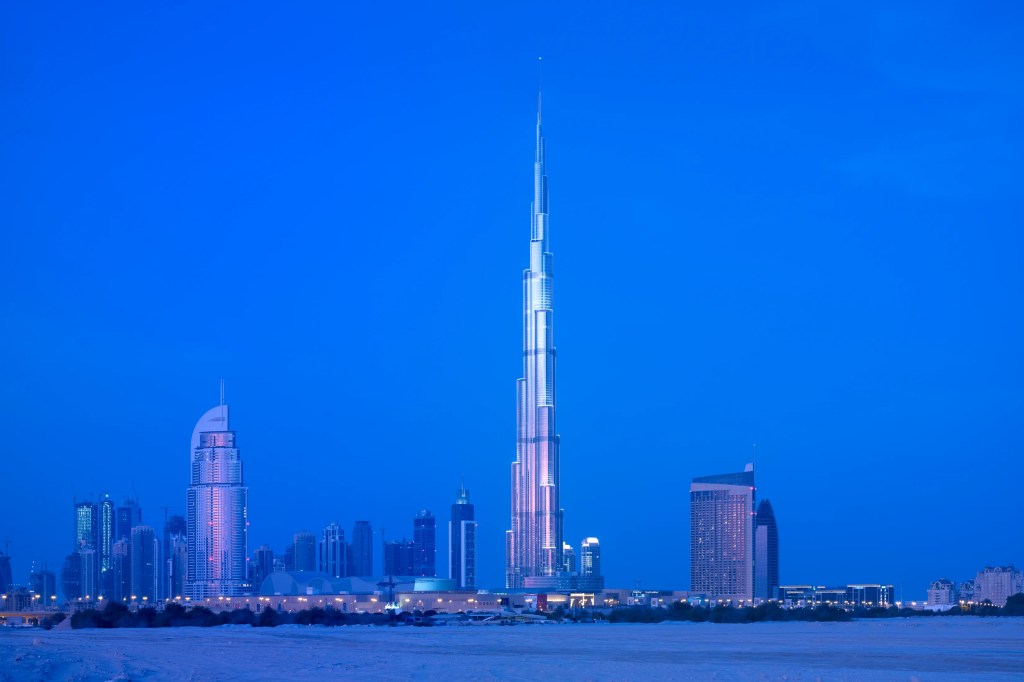
Dubai’s modern identity is inseparable from its iconic landmarks, which symbolize the city’s ambition and vision. The Burj Khalifa, towering at 828 meters, redefined what is architecturally possible, setting a record as the world’s tallest building. Visitors flock to its observation decks for panoramic views that capture the essence of Dubai’s dramatic transformation.
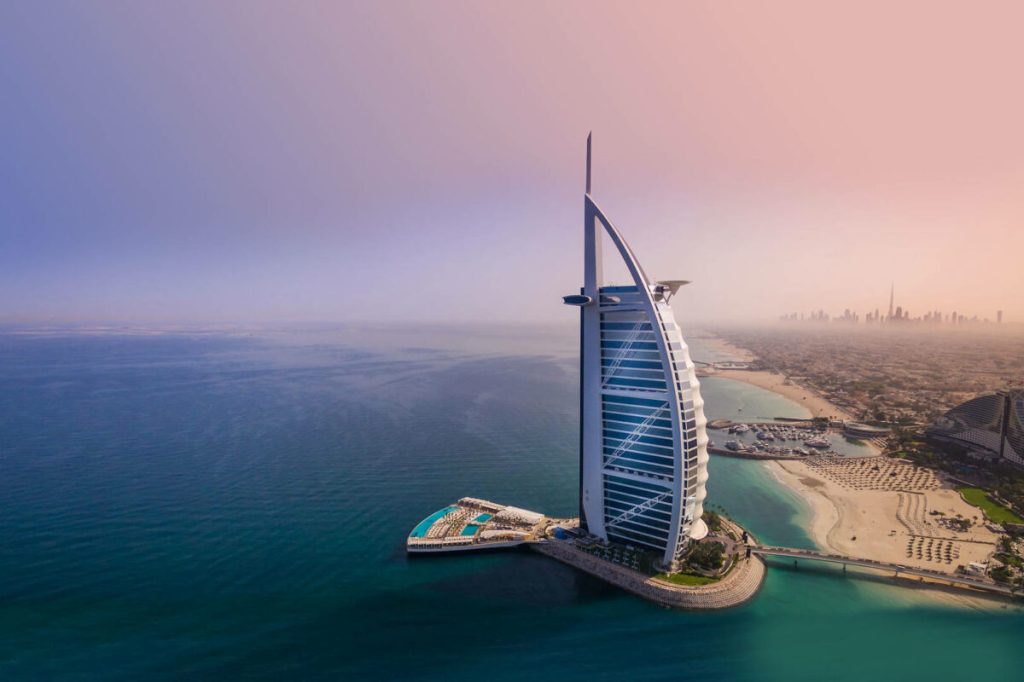
Another emblematic structure is the Burj Al Arab, a luxury hotel shaped like a billowing sail, perched on an artificial island. Often associated with opulence and ultramodern hospitality, it represents Dubai’s drive to create unforgettable experiences. Such architectural marvels highlight a desire to inspire awe and curiosity, turning the city into a stage for architectural statements that capture global attention.
Beyond these famous landmarks, Dubai’s skyline features countless skyscrapers, each contributing to the city’s aesthetic of modernity. Areas like Downtown Dubai and Dubai Marina showcase urban planning, where glass and steel towers reflect desert sunsets and the azure Gulf. The aesthetic blend of new and old creates a unique urban mosaic that continues to evolve as new projects take shape.
These landmarks serve not only as tourist attractions but also as cultural symbols. They convey a narrative of progress—how a once modest port town embraced architectural innovation to stand alongside global metropolises. In doing so, they illustrate Dubai’s role as a pioneer, pushing boundaries and challenging traditional notions of design, luxury, and human achievement.

Tourism, Hospitality, and Shopping
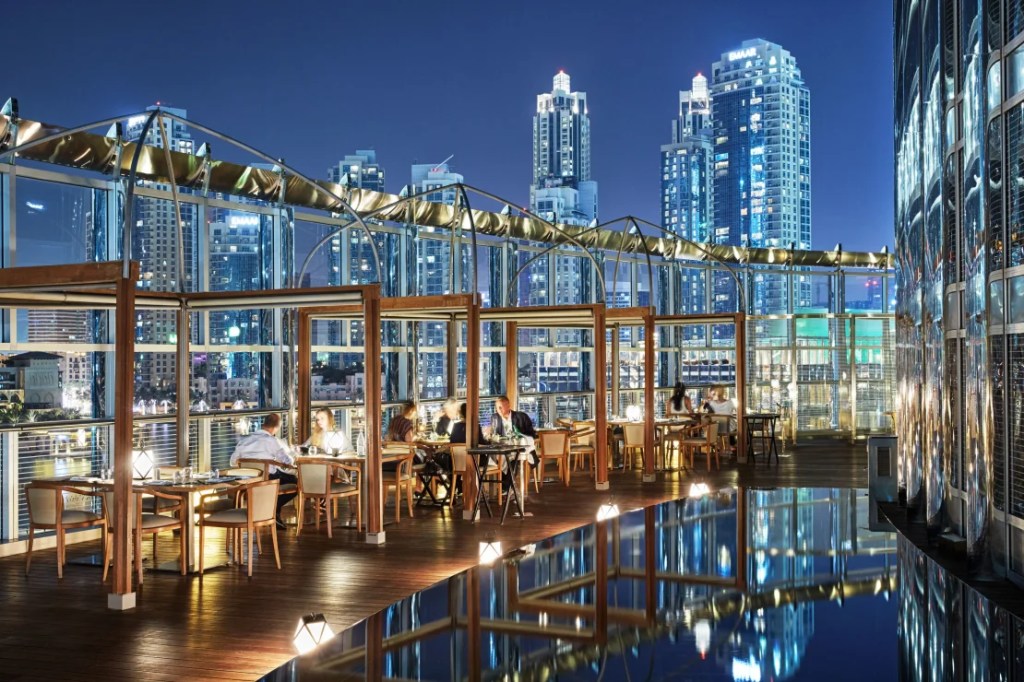
Tourism is a pillar of Dubai’s economy, drawing millions of visitors each year seeking sun, sand, and spectacular leisure activities. The city is known as a shopping paradise, with malls like The Dubai Mall offering high-end brands, family entertainment, and fine dining. Beyond shopping, tourists enjoy desert safaris, dhow cruises along the creek, and visits to cultural institutions like the Etihad Museum.
Dubai hosts numerous festivals and events that cater to diverse interests. The Dubai Shopping Festival attracts bargain hunters, while Art Dubai welcomes collectors and enthusiasts. The city’s culinary scene is equally impressive, ranging from traditional Emirati restaurants to Michelin-starred venues. With so many options, Dubai caters to tourists from all backgrounds, whether they seek luxury or exploration of heritage sites.
The hospitality sector reflects Dubai’s commitment to quality service, with hotels competing to offer unique amenities, from underwater suites to rooftop lounges overlooking the city. Tour operators and guides help visitors navigate a city designed to surprise and delight. This focus on hospitality has placed Dubai among the world’s most visited cities, strengthening its reputation as a destination where every traveler can find something memorable.
While tourism has soared, the city continuously adapts to changing trends. Eco-tourism ventures, wellness retreats, and cultural tours now complement traditional shopping and luxury experiences. As the world grows more conscious of sustainability, Dubai embraces green initiatives, ensuring that hospitality and tourism evolve in ways that respect the environment and local culture.
Events, Future Outlook, and Sustainability

Dubai’s hosting of international events like Expo 2020 showcased its readiness to welcome the world. Such gatherings emphasize global cooperation, innovation, and cultural exchange, setting a stage where countries present their best achievements. The city’s infrastructure, logistical capabilities, and vibrant social scene make it a preferred venue for conferences, exhibitions, sporting tournaments, and cultural festivals.
Looking ahead, Dubai is committed to becoming a “smart city,” leveraging technology to enhance services, reduce waste, and improve quality of life. Plans focus on renewable energy projects, sustainable transportation, and green building standards. The authorities have embarked on these efforts to align long-term growth with responsible stewardship of resources, ensuring that economic success doesn’t come at the planet’s expense.
Future plans also involve investing in education, research, and startups, encouraging a knowledge-driven economy. The city aims to attract talent in sectors like artificial intelligence, biotechnology, and renewable energy. By doing so, Dubai hopes to remain relevant and competitive in the global arena, creating jobs and opportunities while addressing the demands of an evolving world.
Dubai’s journey from a modest trading post to a global metropolis underscores the power of vision, adaptability, and hard work. As the city continues to reinvent itself, it aspires to remain a bridge between East and West, a place where technology meets tradition, and where economic development coexists with cultural richness. In this next phase, sustainability and innovation will guide Dubai’s actions, ensuring that the city’s legacy endures for generations to come.
 Visit Dubai