Population and Demographics
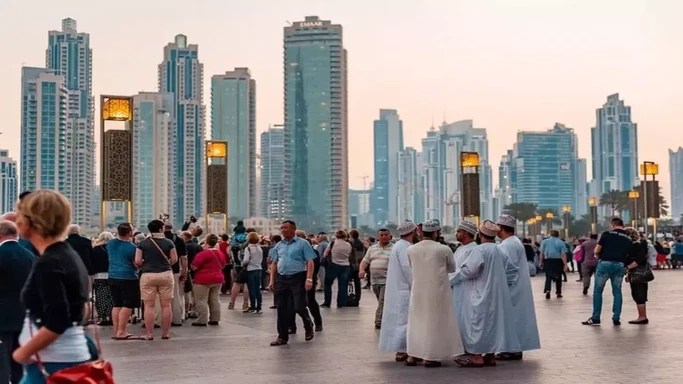
Dubai’s population has grown at a remarkable pace, expanding from a small community of a few thousand in the early 20th century to over three million residents today. A defining characteristic of Dubai is that the majority—over 90%—are expatriates from various countries. Indian, Pakistani, Filipino, British, and numerous other communities have established themselves here, contributing to the city’s multicultural atmosphere.
This international mosaic results in a vibrant, cosmopolitan lifestyle. While Emiratis maintain a strong cultural presence, the city’s social sphere is enriched by global influences. Neighborhoods reflect this diversity: one may encounter a South Asian eatery, a North African boutique, a European café, and a Middle Eastern souk all within the same district. Such mingling of backgrounds, languages, and cuisines fosters tolerance, understanding, and collaborative entrepreneurship.
The demographic structure also influences the labor market, where a wide range of professions—from finance and technology to hospitality and construction—seek skilled workers. The city’s openness to expatriates has driven educational expansions, with international schools and universities catering to various curricula. Over time, many families who initially arrived for work have settled longer-term, further blending cultures and identities.
While this demographic complexity is a source of strength, it also presents challenges. Policymakers must ensure fair labor practices, quality education, and accessible healthcare for a diverse population. Maintaining social cohesion in a transient environment requires careful governance and community initiatives. Nonetheless, Dubai’s demographic mix remains one of its key assets, reflecting its global outlook and capacity for cultural harmony.
Cultural Heritage and Traditions

Amidst rapid modernization, Dubai’s cultural heritage preserves a strong connection to the Arabian Peninsula’s traditions. Bedouin values such as hospitality, honor, and communal solidarity remain woven into the social fabric. Visitors can glimpse this heritage in the city’s museums, the old Al Fahidi district with its wind towers, and the preserved forts that once guarded the coastline. These sites tell stories of a simpler time when the creek and desert were central to daily life.
Traditional art forms—like Arabic calligraphy, poetry, and storytelling—still find appreciation, even as contemporary galleries and performance venues flourish. Emirati clothing, music, and dance styles like the Ayala dance or the distinctive tunes of the oud instrument continue to be celebrated. Cultural festivals, such as the National Day celebrations or the Dubai Heritage Festival, offer opportunities to experience these customs firsthand.
The local cuisine also reflects Dubai’s cultural roots, featuring dishes like machbous and harees, often shared in family gatherings. The majlis, a traditional sitting place, symbolizes hospitality and dialogue, where coffee and dates are served to guests as a sign of welcome. Even as international restaurants and fusion eateries dominate the culinary scene, local Emirati flavors endure as a culinary anchor.
The interplay of old and new defines Dubai’s cultural landscape. While modern skyscrapers capture headlines, the city values its past. Initiatives to restore heritage neighborhoods, support artisans, and incorporate cultural elements into urban planning ensure that future generations understand their historical roots. The result is a city that embraces the 21st century without losing sight of the traditions that shaped it.
Religion and Language

Islam is the official religion of the UAE, and its influence permeates everyday life in Dubai. Mosques dot the cityscape, and the call to prayer echoes through neighborhoods five times a day. Religious tolerance, however, is also a hallmark of the city. A variety of Christian churches, Hindu temples, Sikh gurdwaras, and other religious communities openly practice their faith, reflecting the emirate’s commitment to coexistence and respect.
Arabic is the official language, but English often functions as a lingua franca in commerce, government services, and day-to-day communication among expatriates. This dual-lingual environment ensures that residents from different linguistic backgrounds can interact with relative ease. Meanwhile, a kaleidoscope of other languages—from Hindi and Urdu to Tagalog and Persian—is spoken within expatriate communities.
Religious and linguistic diversity is carefully managed through inclusive policies and social norms that discourage discrimination. This atmosphere allows people to celebrate their faiths and preserve their languages without feeling marginalized. The religious calendar includes Islamic holidays like Eid al-Fitr and Eid al-Adha, while expats celebrate Diwali, Christmas, and other festivals in private gatherings.
The result is a city in which spiritual and linguistic plurality enhances cultural vitality. Interfaith dialogue and language exchanges occur informally in workplaces, social clubs, and universities. In a world where cultural divides can lead to tension, Dubai’s model of tolerant coexistence offers a blueprint for peaceful cultural interaction. Such harmony demonstrates the city’s maturity and its place as a globally minded metropolis.
 Visit Dubai