Trade and Commerce Evolution
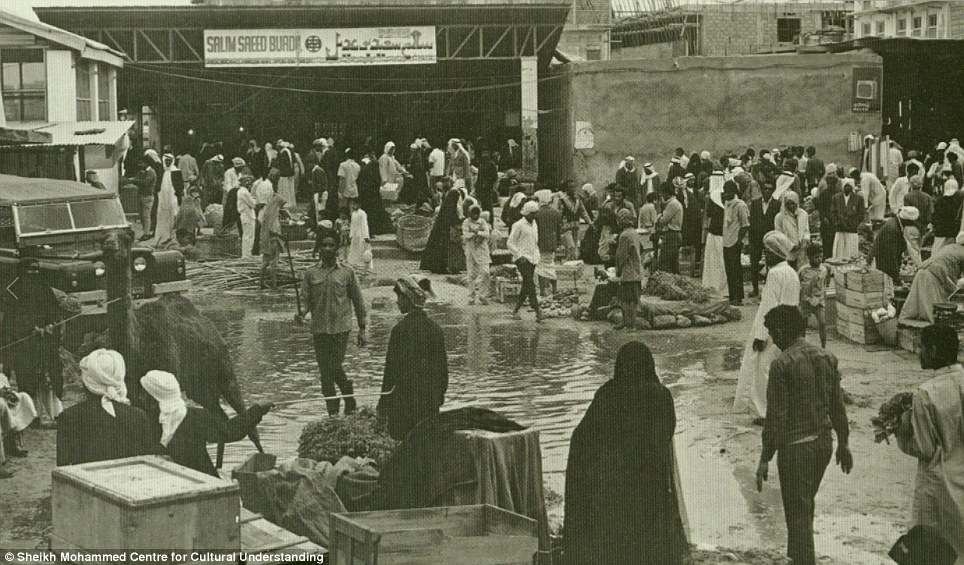
Dubai’s reputation as a commercial crossroads traces back to its early days when merchants exchanged pearls, textiles, and spices. As the 20th century progressed, the city leveraged its strategic position between Europe, Africa, and Asia to build extensive trade links. With each passing decade, Dubai refined its role as a global marketplace, embracing new technologies in shipping and logistics. The construction of ports with modern facilities and the removal of trade barriers made Dubai an attractive hub for international commerce.
During the mid-20th century, policies like zero taxation on imports and exports drew merchants from neighboring Gulf states and beyond. Commerce thrived, bolstered by a steady flow of goods, from precious metals and gems to electronics and manufactured items. This openness to global markets did more than expand the city’s economy; it helped weave together a multicultural social fabric, as traders from India, Iran, and East Africa settled in Dubai, bringing languages, cuisines, and cultural traditions with them.
Over time, Dubai introduced free zones and special economic areas dedicated to particular industries, from media and technology to finance and logistics. These zones offered streamlined business regulations, world-class infrastructure, and easy startup conditions. This combination of attractive investment environments and a proactive business culture cemented Dubai’s role as a magnet for entrepreneurs and large multinational corporations alike.
In the modern era, Dubai has positioned itself as a financial powerhouse with global reach. Its financial markets, though relatively young, have gained international credibility. The city’s banks, investment firms, and fintech startups connect regional economies with global capital. This diversification beyond traditional trade ensures that Dubai remains resilient, able to weather fluctuations in global markets and pivot quickly to seize emerging opportunities.
Oil Discovery and Economic Transition
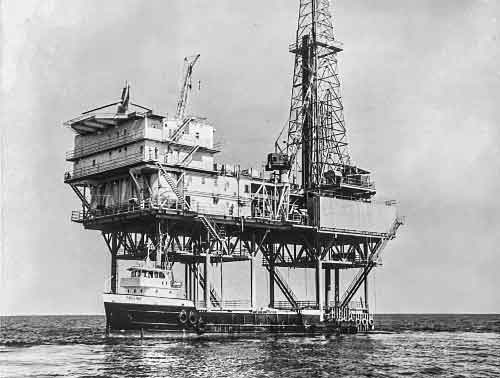
The discovery of oil off the coast in the late 1960s was a watershed moment in Dubai’s history. Though its reserves were modest compared to neighboring Abu Dhabi, oil revenues provided a crucial springboard for development. Sheikh Rashid bin Saeed Al Maktoum invested oil proceeds into modernizing infrastructure: building roads, schools, hospitals, and ports. In a matter of years, this investment fueled a construction boom that transformed Dubai’s skyline and laid the groundwork for its modern economy.
Recognizing oil’s finite nature, Dubai’s leaders pursued economic diversification as a long-term strategy. Rather than relying solely on hydrocarbons, they focused on real estate, tourism, aviation, financial services, and logistics. By the 21st century, oil’s share in Dubai’s gross domestic product had dwindled to a negligible percentage. Instead of an oil-dependent economy, Dubai emerged as a multipronged marketplace equipped to handle changes in global energy demand and price fluctuations.
The deliberate push for a post-oil economy has been a defining feature of Dubai’s growth narrative. Real estate giants constructed iconic projects like the Palm Jumeirah and Burj Khalifa, while the hospitality sector built a network of luxury hotels. Aviation thrived with Emirates Airline becoming a major global carrier. These sectors created a virtuous cycle, attracting a skilled international workforce and further cementing Dubai’s position as a top global destination for business and leisure.
The success of Dubai’s economic transition rests on the integration of visionary urban planning, private sector dynamism, and stable governance. The city’s leaders consistently emphasize a forward-thinking approach, encouraging innovation, embracing cutting-edge technology, and fostering global partnerships. By preparing for a future beyond oil, Dubai has become a textbook example of how strategic foresight can rewrite a city’s economic destiny.
Modern Infrastructure and Transport
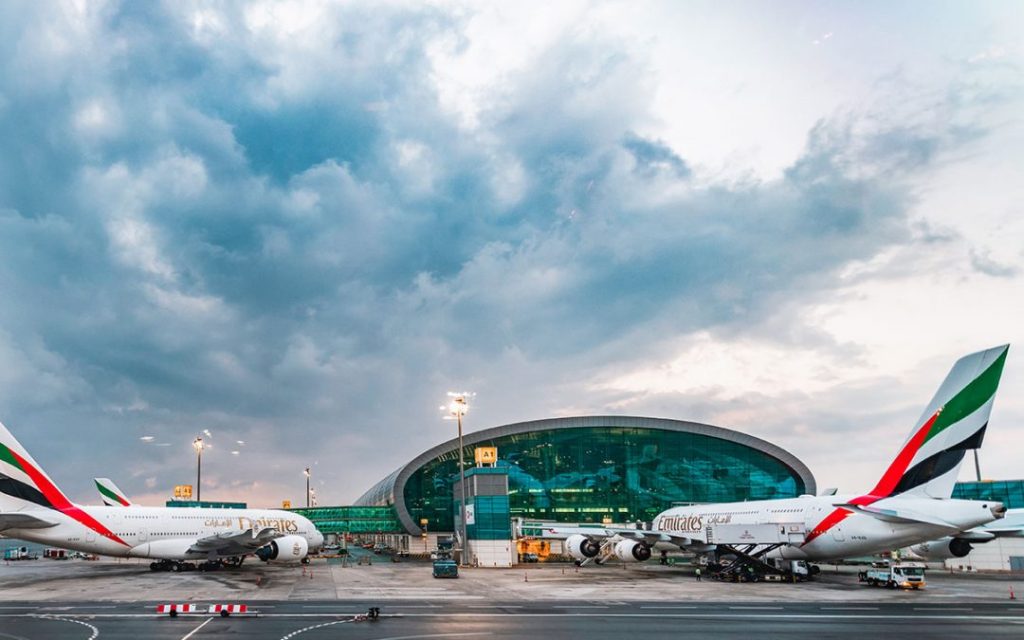
Infrastructure has always played a pivotal role in Dubai’s development story. From the first simple bridges across Dubai Creek to the state-of-the-art highways that now crisscross the city, each project addressed a specific need. A well-developed transport system, including extensive roads, modern airports, and advanced metro lines, ensures smooth connectivity within the city and beyond. Such investments not only improve everyday life for residents but also enhance Dubai’s appeal as a global transit hub.
Dubai International Airport, a cornerstone of the city’s growth, handles millions of passengers and cargo tons annually. Complemented by the Al Maktoum International Airport, it forms a critical link connecting East and West. Meanwhile, the ports—Jebel Ali in particular—rank among the busiest and most efficient in the world. Their capacity and strategic positioning amplify Dubai’s role in global supply chains, making it an essential node in international commerce.
The city’s pioneering Dubai Metro, driverless and fully automated, represents a leap towards sustainable urban mobility. This modern public transport system reduces congestion and pollution, encouraging residents and visitors to explore the city without relying solely on cars. Future expansions and integrated transport solutions promise even greater convenience, connecting new neighborhoods and ensuring that Dubai can cope with continuous population growth.
In the long run, infrastructural development is poised to incorporate cutting-edge technologies and green initiatives. Plans include smart traffic management systems, hyperloop connections to neighboring emirates, and electric vehicle infrastructure. Each innovation moves Dubai closer to a vision where infrastructure not only supports economic growth but also promotes environmental sustainability and quality of life. The emphasis on infrastructure as a public good ensures that as Dubai expands, it remains livable and efficient.
 Visit Dubai